Reflecting on the Journey
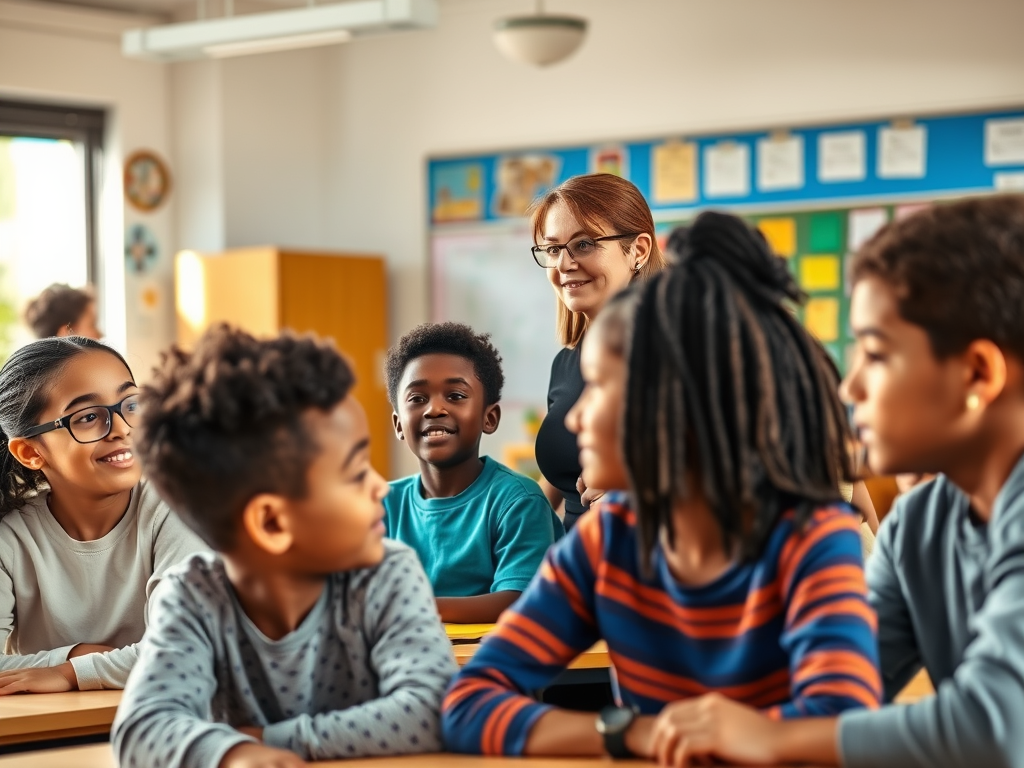
Over the journey of this course, I set out to explore how culturally responsive and multimodal instructional strategies can shape the middle school classroom experience. The research throughout this course combined quantitative data (such as survey responses and Likert-scale results) with qualitative insights (interviews, teacher reflections, and classroom observations). Together, these findings provided a more holistic picture of what teaching looks like when we place students’ identities, voices, and learning preferences at the center.
One of the strongest themes that emerged was that student-centered approaches – especially those that prioritize choice, collaboration, and relevance – are essential for continued engagement. Students were more motivated when lessons allowed them to connect personal experiences to the curriculum. Whether through storytelling, group projects, or the integration of visuals and technology, multimodal approaches consistently helped students feel more represented in their learning.
What the Data Showed
- Quantitative Findings: Teacher perception surveys revealed that over 70% of teachers felt more confident integrating multimodal strategies (visuals, simulations, writing tasks, and interactive discussions) after professional development. Data also suggested that teachers who regularly used multimodal strategies reported higher student engagement and fewer classroom management concerns.
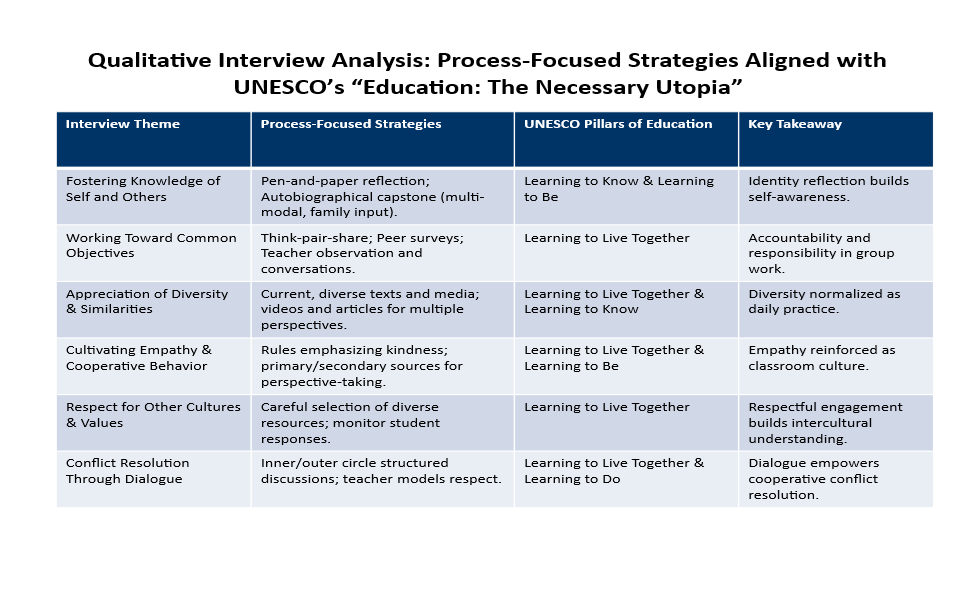
- Qualitative Findings: Interviews and open-ended responses emphasized the value of culturally responsive practices. Teachers noted that students responded positively when lessons validated their backgrounds and encouraged peer-to-peer learning. Classroom observations reinforced this, showing that collaborative tasks reduced disruptive behavior and increased participation from diverse learners.
These findings remind us that data is more than just numbers. It reflects the lived experiences of both students and teachers. In this particular set of studies, it revealed a pattern: identity, engagement, and collaboration thrive when instruction is responsive and multimodal.
Critiquing What Worked and What Didn’t
While multimodal strategies proved effective, the research throughout the course also highlighted challenges. Some teachers struggled with balancing curriculum pacing with deeper, more student-driven projects. Others expressed uncertainty about technology integration, particularly when students had inconsistent access outside of school.
Another tension was between classroom management and freedom of choice. While collaboration increased engagement, it also required clear routines and expectations. Teachers who had well-established management strategies found it easier to give students more independence, while others needed additional support in this area.
These critiques underscore the reality that culturally responsive and multimodal instruction is not a one-size-fits-all solution – it requires ongoing reflection, flexibility, and support.
Bringing It to Life with Visuals
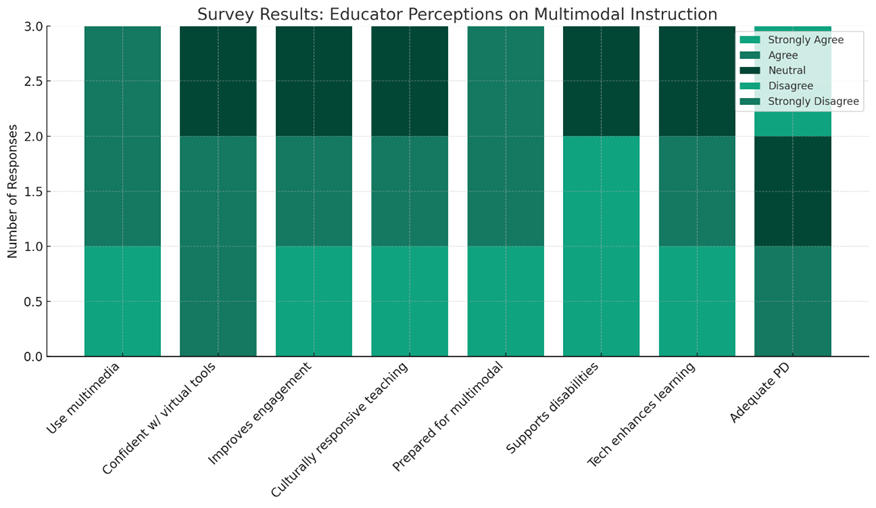
These visuals don’t just tell the story—they make the impact of the findings more accessible and memorable.
Recommendations for Teachers
Based on my research throughout this course, several recommendations emerge for designing effective curriculum and instruction for diverse learners:
- Integrate Multimodal Approaches: Use visuals, writing, oral discussion, and technology together to give students multiple points of learning.
- Validate Student Identities: Incorporate culturally relevant texts, examples, and projects that connect to students’ backgrounds and lived experiences.
- Foster Collaboration: Encourage peer learning through group work, discussions, and co-constructed projects.
- Balance Freedom with Structure: Pair student choice with clear routines and expectations to support classroom management.
- Invest in Professional Development: Provide teachers with ongoing training and collaboration opportunities to build confidence in multimodal and culturally responsive strategies.
Looking Ahead
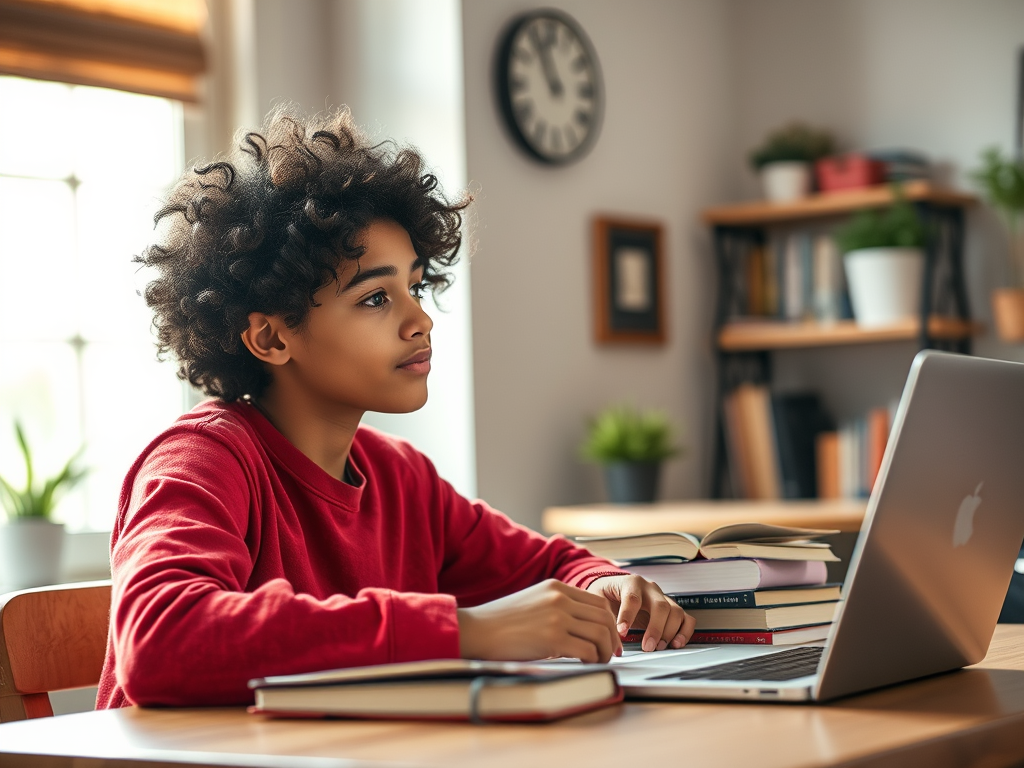
This research journey underscored a vital truth: when students see themselves in their learning, they show up differently. They engage more deeply, collaborate more authentically, and develop stronger connections to the content and each other.
As educators, our challenge is to keep refining our practice – blending research with reflection, strategy with empathy – so that every student has the chance to learn in ways that feel meaningful, inclusive, and empowering.
 The Learning Lens
Leave a comment